A Conversation with Adam M. Levine
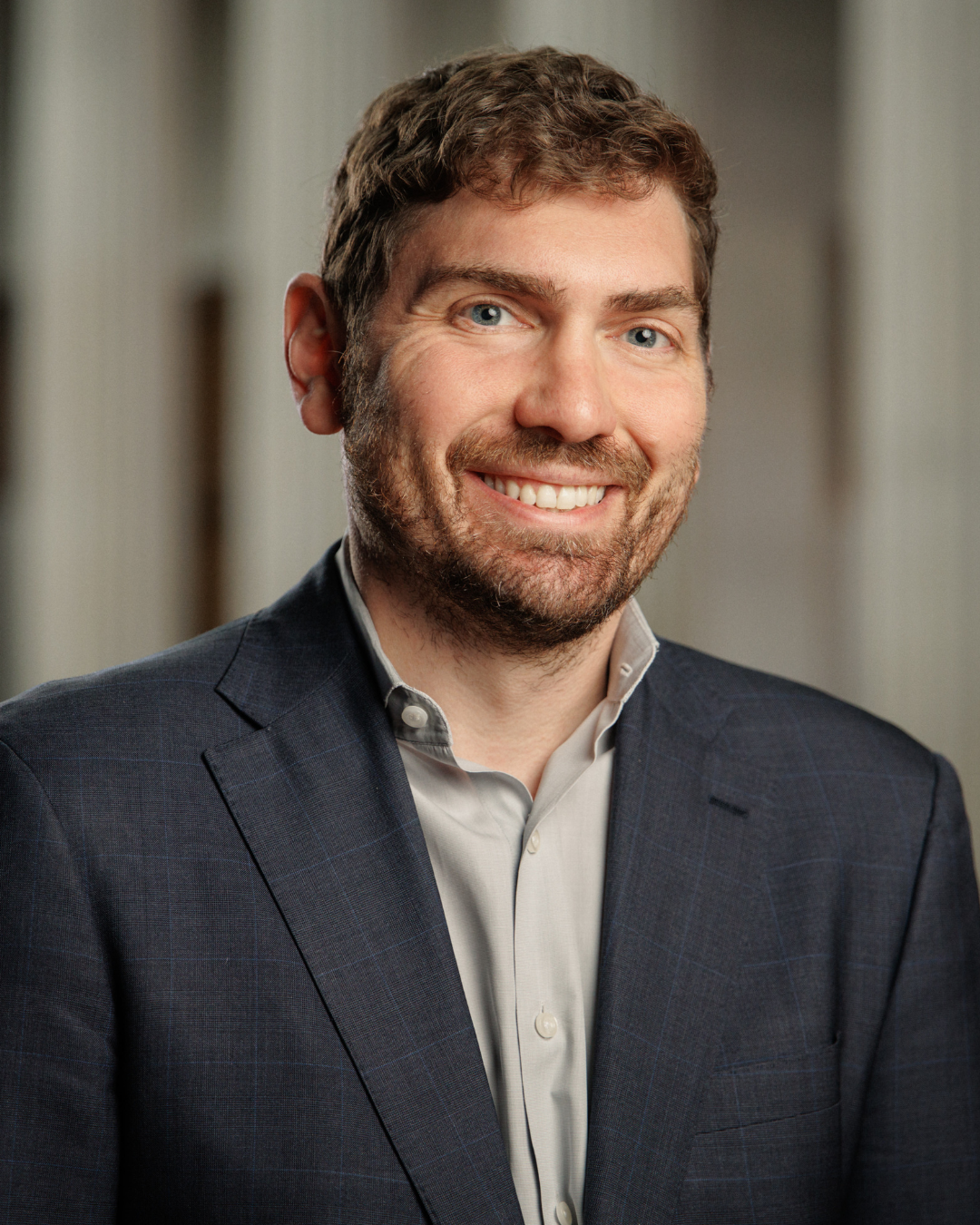
Adam M. Levine
Adam M. Levine is the Edward Drummond and Florence Scott Libbey Director of the Toledo Museum of Art and a juror for the inaugural Bobby Anspach Studios Foundation Artist Grants. Trained as a scholar of ancient art, he has focused his research on late Roman and early Byzantine visual culture, examining how images and material objects shaped belief, identity, and social life in the ancient world.
Levine first joined the Toledo Museum of Art in 2012 as an Andrew W. Mellon Fellow, later serving as deputy director and curator of ancient art before returning in 2020 as the Museum’s 11th director. Before rejoining TMA, he was the director and CEO of the Cummer Museum of Art & Gardens, where he oversaw strategic initiatives that strengthened community engagement and educational programming.
A Rhodes Scholar, he earned his master’s and Doctor of Philosophy degree in the history of art from the University of Oxford after graduating summa cum laude from Dartmouth College. His interdisciplinary background — spanning art history, anthropology, mathematics, and data research — continues to shape his thoughtful and forward-looking approach to museum leadership.
What do you hope to see in applications for the inaugural BASF grants?
I hope to see artists who want to expand their practice in ways that align with Bobby’s ethos.
The exciting part of being involved from the beginning is that it is hard to know exactly what to expect and everything can feel completely open. What really matters is staying close to Bobby’s hopes: that art would promote wellness, togetherness, and belonging.
Works that do that, and do so in ways that are expansive but also meaningful, will be competitive. Applications can take many forms and be as broad in their thinking as they want, but if the work genuinely supports what Bobby was trying to achieve, it will resonate.
I cannot wait to see how creative artists are in using art to help make the world a better place.
When you will be reviewing applications, what matters most to you in how artists articulate their ideas or motivations?
One of the things I think about often as a museum professional is how a viewer will respond to the work without any interpretation.
Understanding an artist’s intent is very important and helps you get more out of the work. At the same time, the work should stand on its own. At the very least, it should draw someone in before they have read anything about it.
A compelling way to think about aesthetic experience is to ask whether a work of art, meaning human creativity given sensory form, can communicate the artist’s intention through the sensory encounter alone.
So, while I care about what the artist is trying to achieve, I will also look closely at whether a visitor to the Toledo Museum of Art could feel what the artist intends without reading the application or knowing anything about the piece.
This is one of the powerful aspects of Bobby’s installations. They make the viewer feel exactly what he hoped they would feel.
Can you share a bit about your background and what led you toward museums and the study of ancient art?
I grew up in New York City. I played a lot of sports and, to be honest, I was not spending every weekend making art or taking studio classes. But on weekends when it rained and my soccer game was canceled, we went to museums.
We went to the Met, the Guggenheim, and the American Museum of Natural History. Those visits did more than spark an interest in art history and anthropology, both of which I later studied. They also made museums feel familiar and comfortable.

Hood Museum of Art at Dartmouth College, where Adam first gained hands-on experience working in a museum setting. (Photo: Hood Museum).
Many people who do not feel comfortable in museums later in life feel that way because they were not exposed to them early enough. My parents made sure I was, and I know that was a privilege.
I was also fortunate that my high school offered art history, so I learned early on that I was interested in art as a way of understanding history. I appreciate the beauty of artwork, but at my core I am a social historian of art. I want to know what art and visual culture can tell us about a society.
For me, learning history through art has always felt like a more fascinating path than learning it through text alone.
I studied art history in college and worked at the Hood Museum of Art at Dartmouth. That experience clarified that museums were where I wanted to be. Museums reach more people than almost any other cultural institution in the United States. It felt like a meaningful platform to connect art, history, and public engagement.
As for ancient art, I started my career in Greek and Roman art at the Met, but I studied late Roman and early Byzantine art, with a particular focus on the iconography of the image of Christ. My interests are broad, but I am usually drawn to solving specific problems. My interest in the development of that image eventually brought me into antiquity.
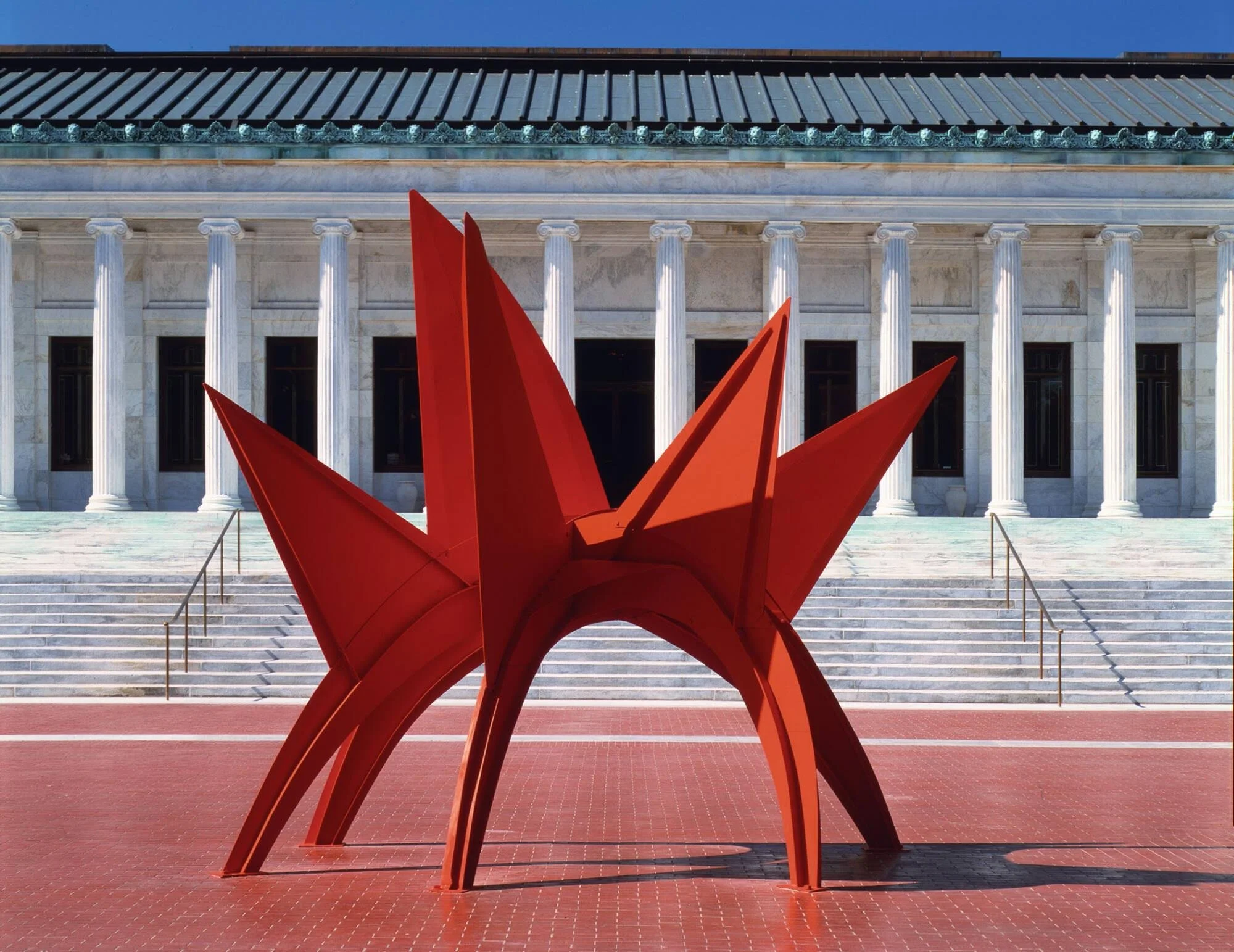
Alexander Calder’s red sculpture ‘Stegosaurus’ anchors the museum’s main entrance. Photo: Toledo Museum of Art.
You began at the Toledo Museum of Art as a Mellon Fellow. What did you learn early in your career that continues to shape your leadership today?
The Mellon Fellowship, now endowed as the Brian P. Kennedy Fellowship, was funded by the Mellon Foundation to test a concept. It was an apprenticeship in the museum director’s office, essentially a crash course in how to become a museum director.
I learned a tremendous amount. I learned about governance, how to see the museum from a high-level perspective, and I learned through doing. I also made plenty of mistakes, and those were just as important.
Some of the most important lessons include:
Ideas are stronger when they come from throughout the organization rather than from the top.
A museum director is not a curator. A director hires people who then hire great curators. The role is more like a CEO.
“Not for profit” does not mean “for loss.” The organization has to be sustainable so that people can do their best work.
Culture is more powerful than strategy. If you do not build the right culture, strategy will not matter.
People are the greatest asset. When you treat people as assets rather than costs, you understand that they deserve investment.
These lessons shaped how I lead, and they resonate with Bobby’s values.
To be transparent, the Toledo Museum of Art has about 220 staff members. I do not get everything right, and neither does the institution. We are still learning and improving. But our efforts to build a healthy culture feel authentic, and that intentionality has created real positive change.
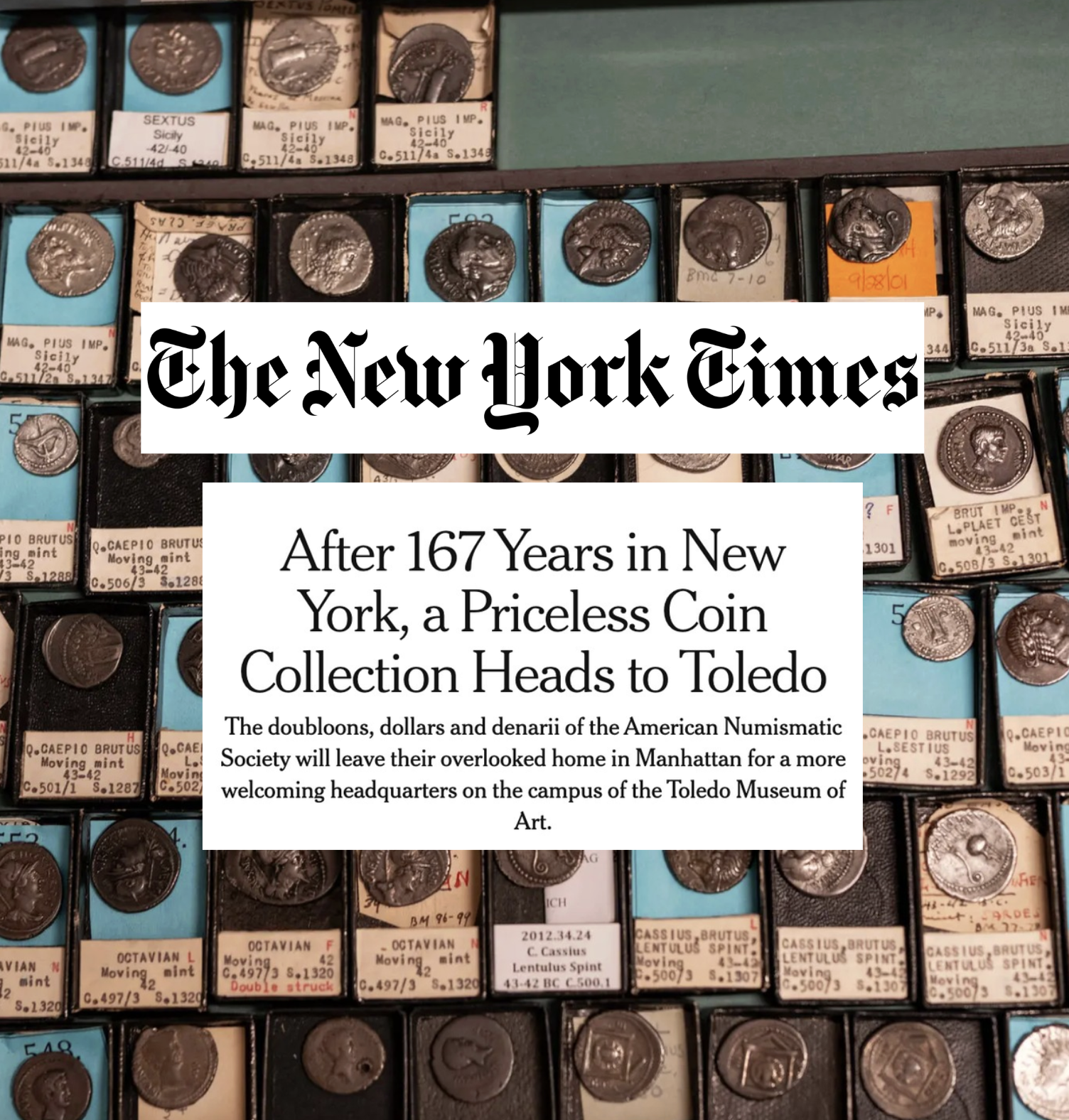
The New York Times features Toledo Museum of Art (November, 2025).
What do you see as distinctive about the Toledo Museum of Art and the community it serves?
The Toledo Museum of Art is fascinating because it combines scale with nimbleness.
We are internationally relevant, yet much smaller than many peer institutions. We are roughly one tenth the size of the Museum of Modern Art. That smaller scale allows us to be more agile.
As we talk today, we are on the front page of The New York Times for the move of the American Numismatic Society to our campus. I often say that if we get it right, The New York Times will cover it. If we get it wrong, they will simply ignore it.
Being slightly “off Broadway” is an advantage. We can experiment. We can take risks that might not be possible in other media environments or political contexts. And because our cost of operating is lower, every dollar goes further.
This creates an institution that can do things differently, do them first, and then share the successful approaches with the field. Museums are in a moment where they need to rethink their financial models, their staffing models, and their operating models. Toledo is uniquely positioned to experiment with those ideas.
Toledo also reflects the country in a way that major coastal cities do not. Roughly a third of our visitors are Democrats, a third Republicans, and a third independents. We are a historical test market where national tastes have long been evaluated. That makes our community more reflective of the United States as a whole.
Our visitors love the museum regardless of political affiliation, and they trust us. In surveys and focus groups, visitors consistently say they want the museum to challenge them. Being a trusted institution in a polarized world, and being trusted by all sides, is incredibly rare and incredibly important.
It is an opportunity that feels almost sacred. And it aligns with Bobby’s desire to create work that encourages people to expand their horizons, stay present, and connect more deeply.
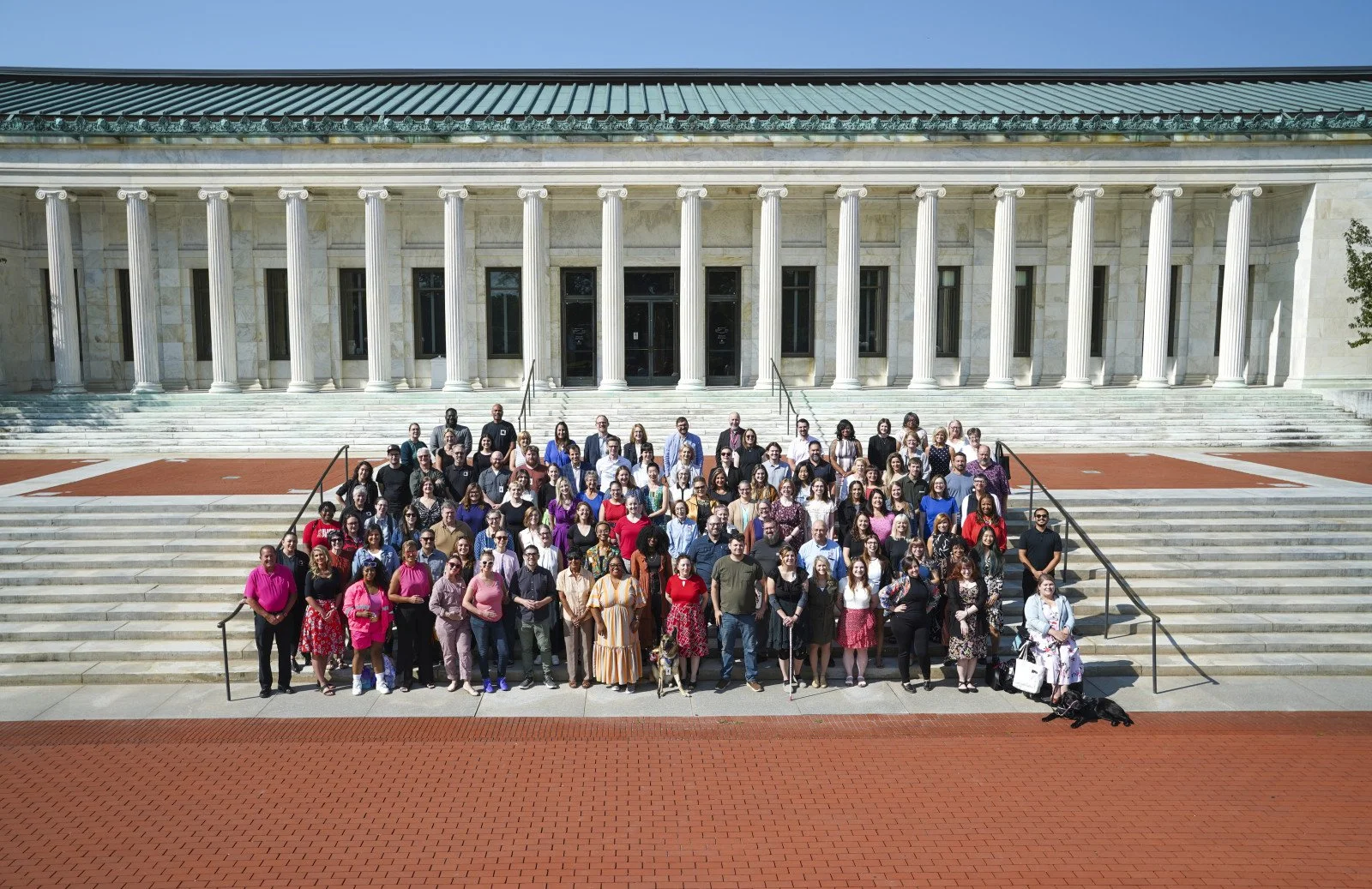
Staff of the Toledo Museum of Art, whose collective work drives the museum’s vision for access, belonging, and community impact. Photo: Toledo Museum of Art.
How do you see museums contributing to wellness, connection, and a sense of belonging?
I do not just believe it, I see proof of it.
Everything this museum accomplishes comes from the 220 people here who are committed to our vision: being the model museum for quality and belonging. They are dedicated to our four strategic objectives and carry out the work that supports those goals every day.
Because of that collective effort, the changes here have been significant, including:
Growth in our audience,
Reshaping our audience to reflect our metropolitan area
Increased visibility regionally, nationally, and internationally
Stronger engagement with peers and donors
Reinvestment in our staff
Across every benchmark we set, we have delivered. A trustee of ours likes to say that our “say-do ratio” is very high. We follow through.
So yes, museums can impact society. And I know this museum is doing it because I see the results of the past five years, which are entirely due to the team here.
The Foundation’s mission centers on the idea that art, meditation, and psychology can deepen connection and support well-being. How do you see museums, including the Toledo Museum of Art, contributing to these kinds of experiences?
Museums play a significant role, and there is substantial research to support that.
There are decades of studies showing that engaging with art and spending time in museums supports mental wellness. These results come from surveys, visitor reports, and even biological markers such as cortisol levels, pulse, and skin conductivity.
Not every study is perfect. Some physicians might critique certain methods. But over forty years, many studies have been quite strong and the body of evidence is persuasive.
There are also real-world programs based on this research. In parts of England, Belgium, and Canada, doctors can prescribe museum visits to help treat depression and anxiety.
Building on that, we have partnered with two health systems in Toledo – Mercy Health and ProMedica – so physicians can write prescriptions through the electronic medical record system for patients to visit the Toledo Museum of Art.
We also partnered with the United Way, which administers the 2-1-1 hotline here. Their coaches are being trained on how the museum can support wellness, so when people call feeling depressed or anxious, those coaches can recommend the museum and connect them to resources that help them visit.
It is important to acknowledge that Rubens did not paint The Crowning of St. Catherine with mental wellness in mind, and the museum’s founders did not intend to build a mental wellness center. These are secondary benefits that come from having a space like this in a community.
It would be a missed opportunity not to use this institution to benefit our community’s well-being. That is one of the reasons we are so happy to be hosting Bobby’s work. His installations bring people into a state of flow quickly. The experience can feel almost transcendental. For those who have not tried it, that is a compelling reason to visit.
What motivated you to serve as a juror for the BAS Foundation Grants, and why do you feel grants like this are important for artists working today?
This grant program positions art as having a purpose rather than existing only for its own sake.
Art can affect viewers in many different ways. When art is created with a clear purpose, especially a purpose connected to well-being, it occupies a distinct and meaningful lane. I am excited to see the applications, and I am excited to learn from the work that artists are making in this space.
As for why grants like this matter: significant grants that allow artists to create are absolutely essential.
Art is a practice. You get better at it through repetition. Talent matters, but no one, no matter how talented, becomes a professional athlete without practice. The same is true for artists.
To reach the highest expression of your practice, you need time. In our economic system, time often requires financial support. If you do not have the resources to buy yourself that time, you cannot fully practice.
Grants like this provide time, uninterrupted time, thinking time, and making time.
And in this case, the grant accelerates impact. These artists will be creating work designed to support wellness. When we give artists the space to deepen a practice that can benefit communities, there are few things more meaningful than that.
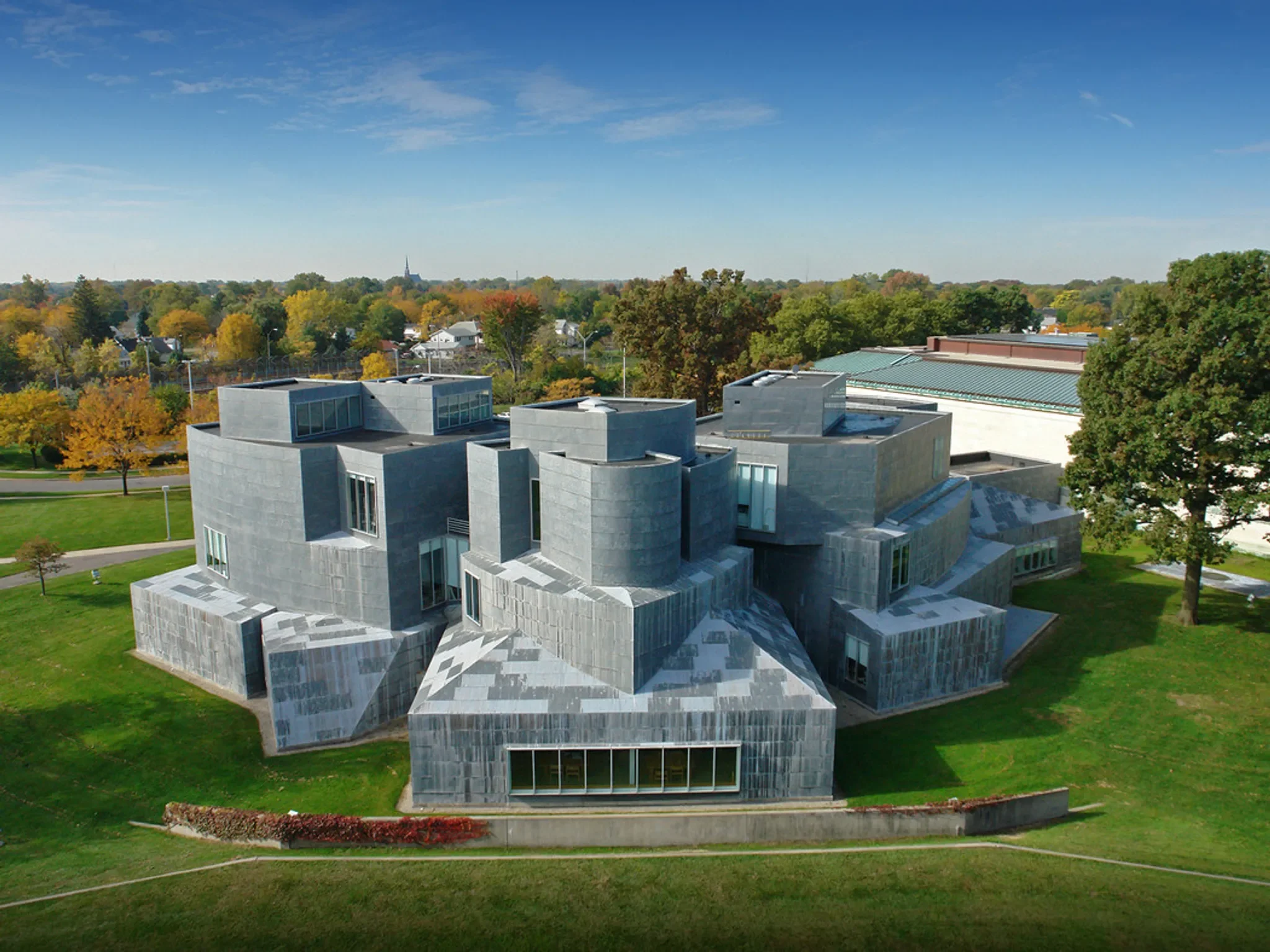
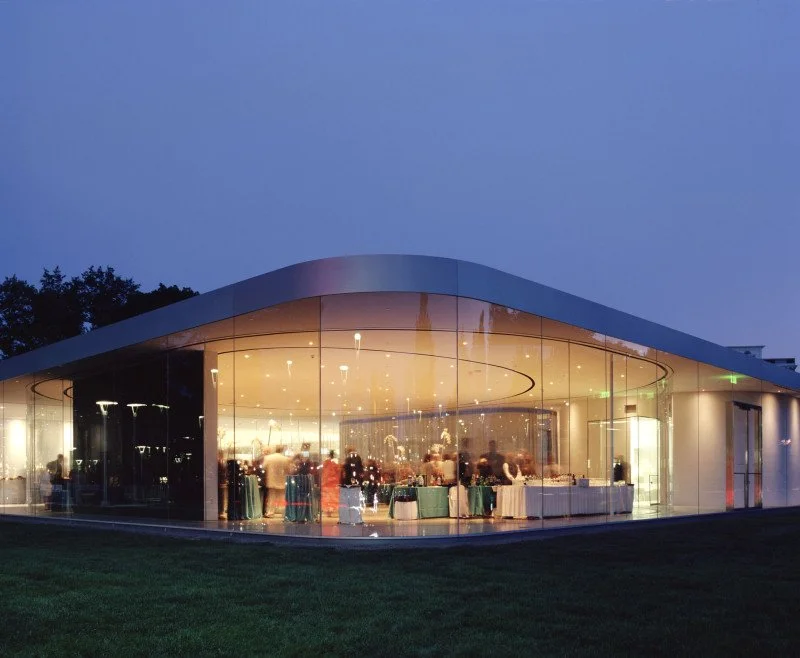
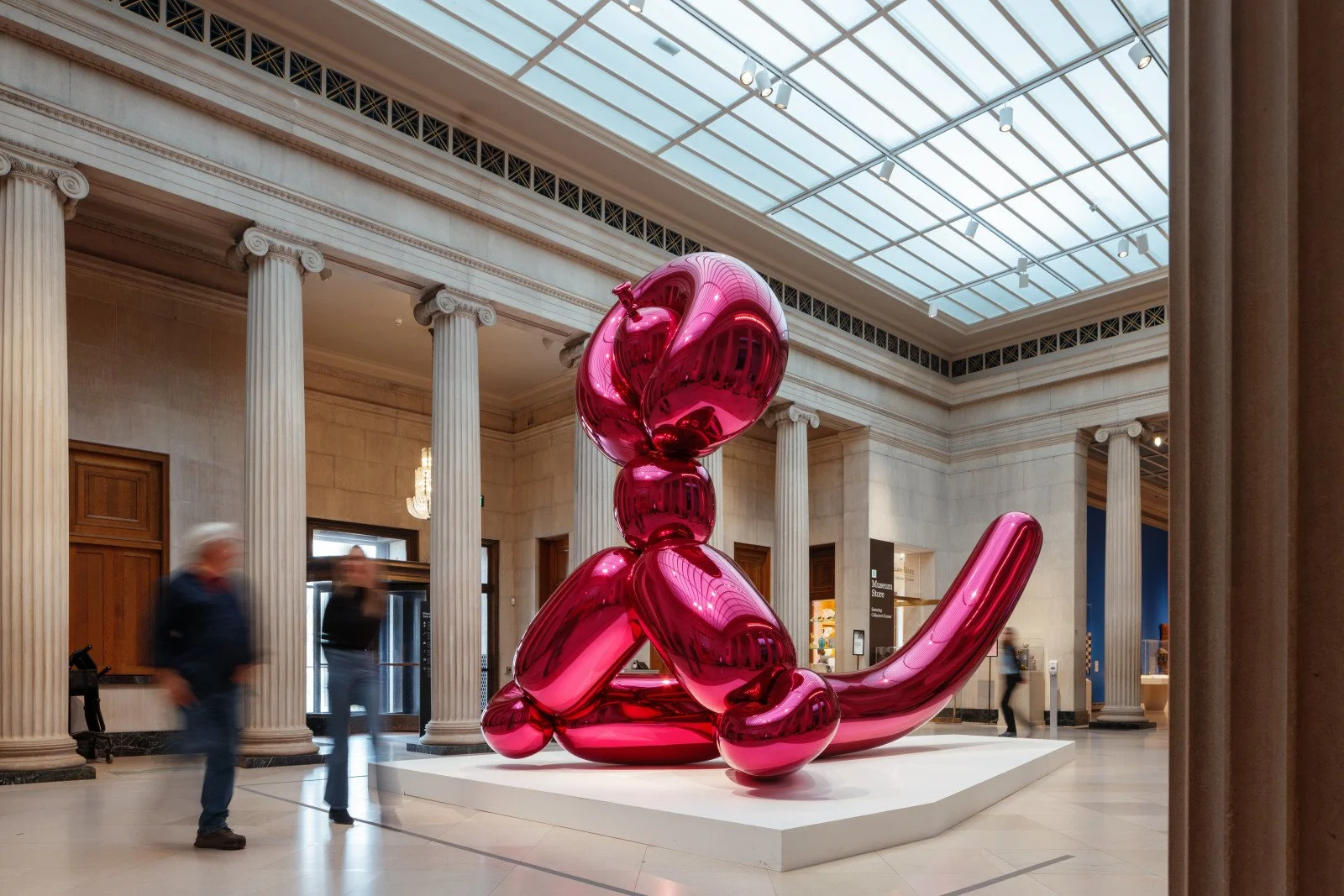
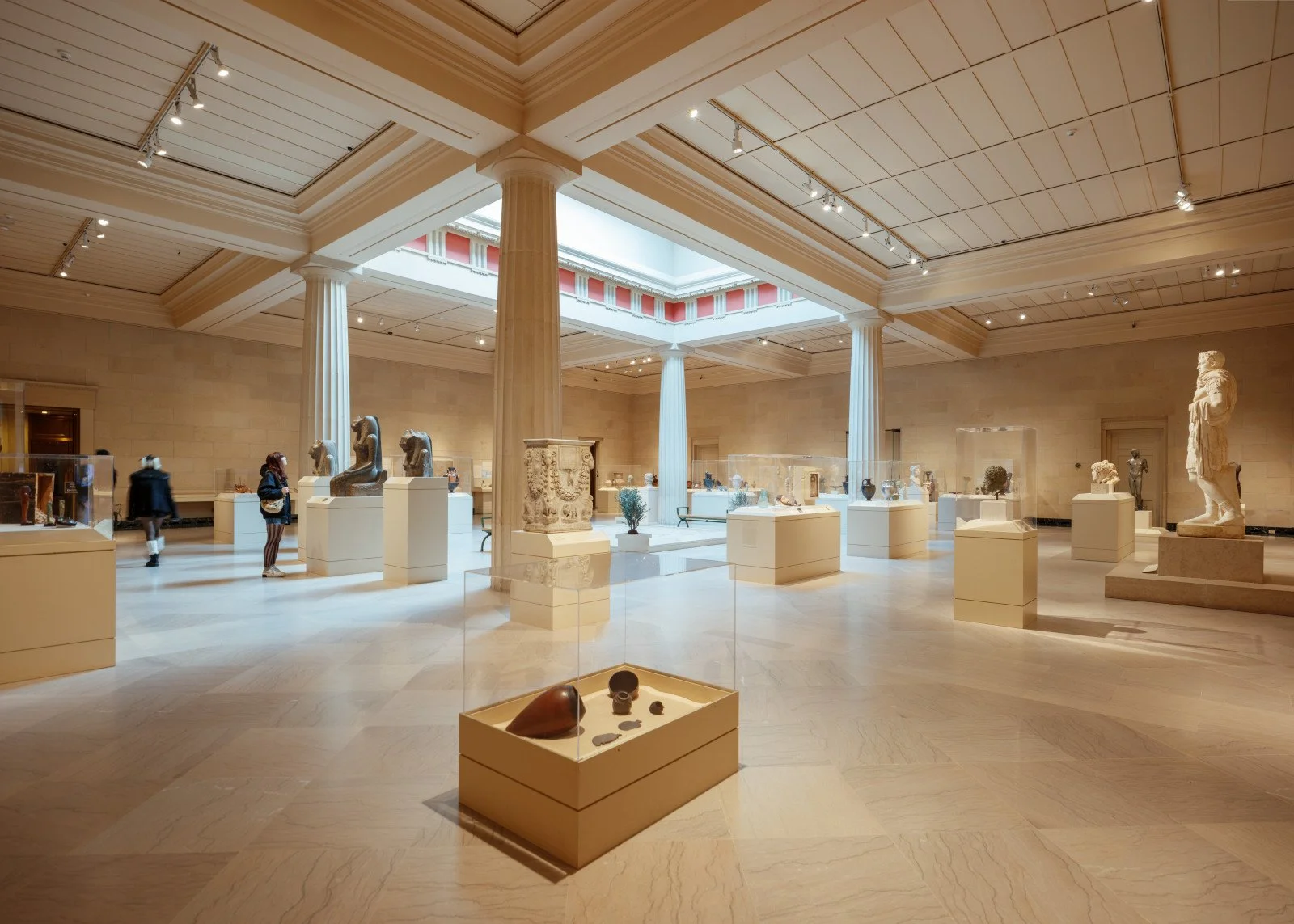
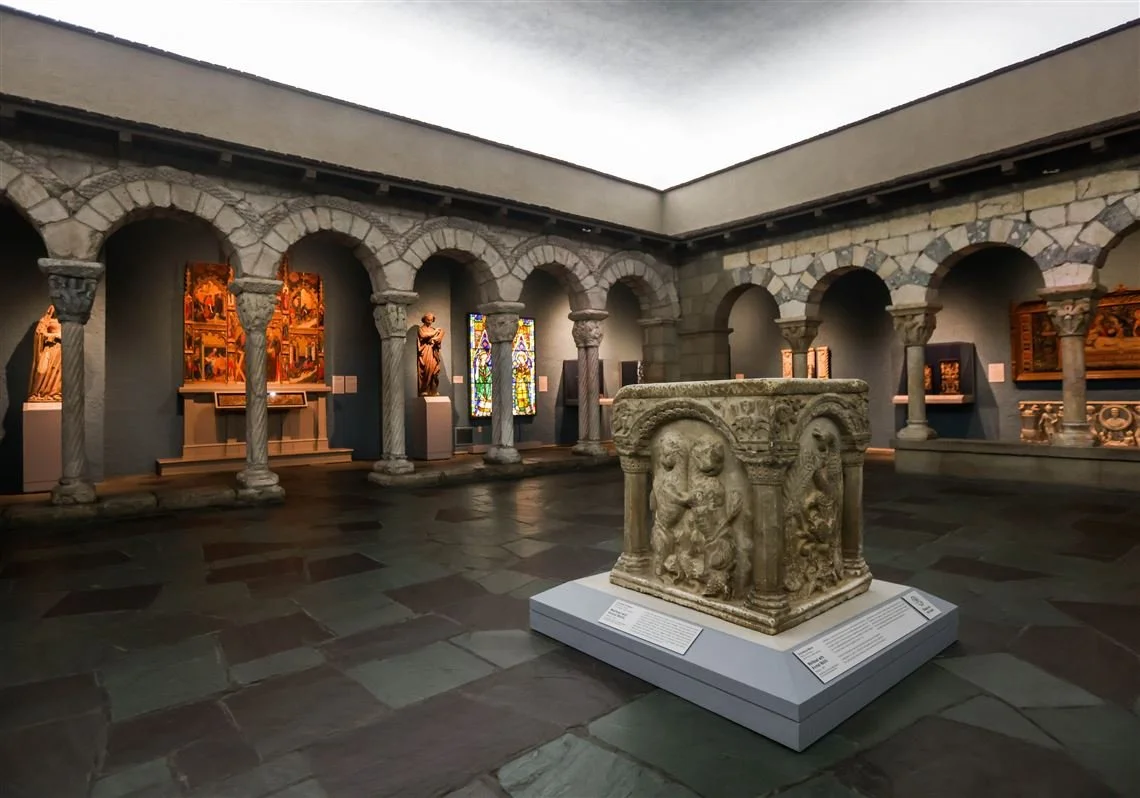
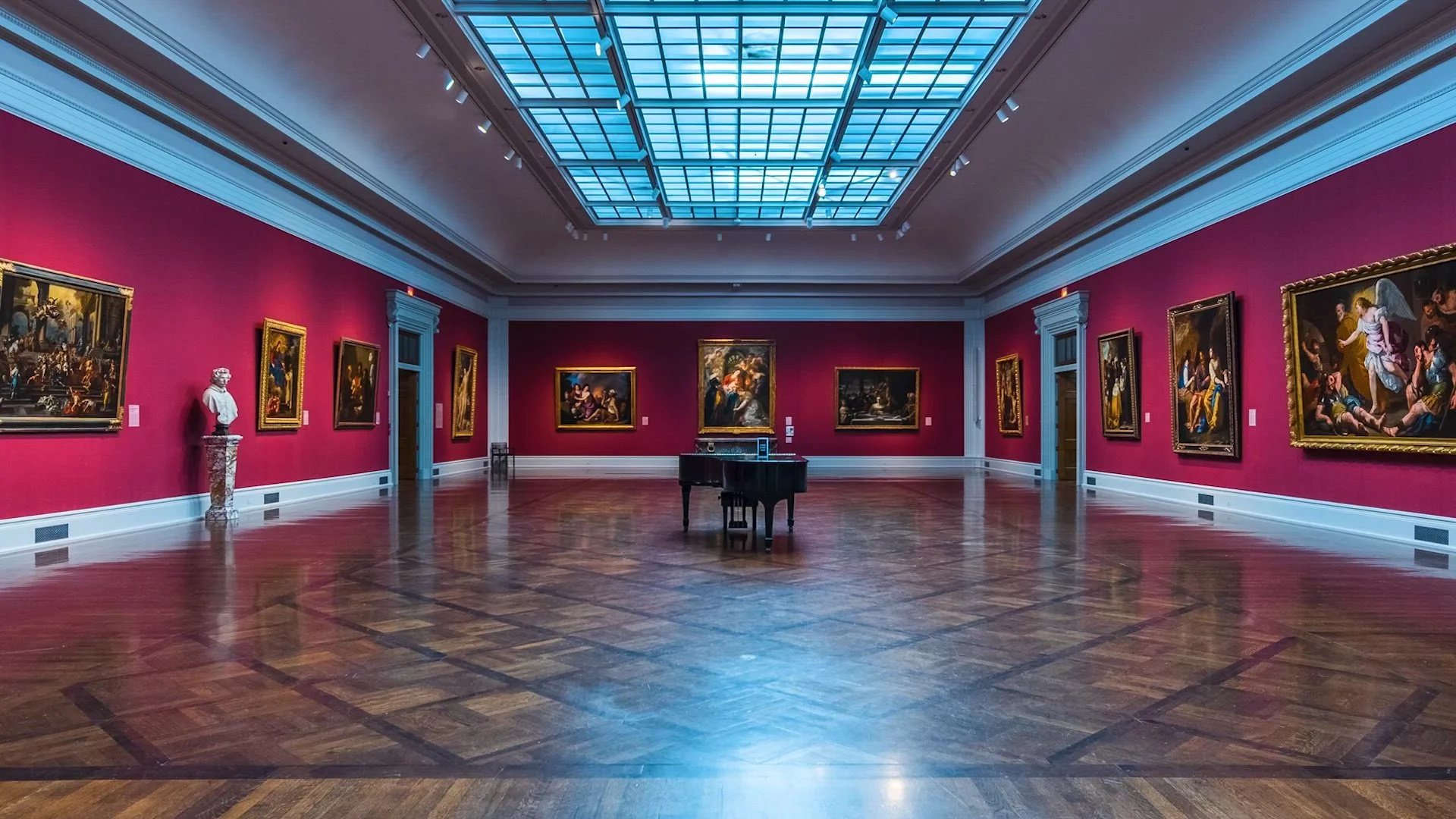
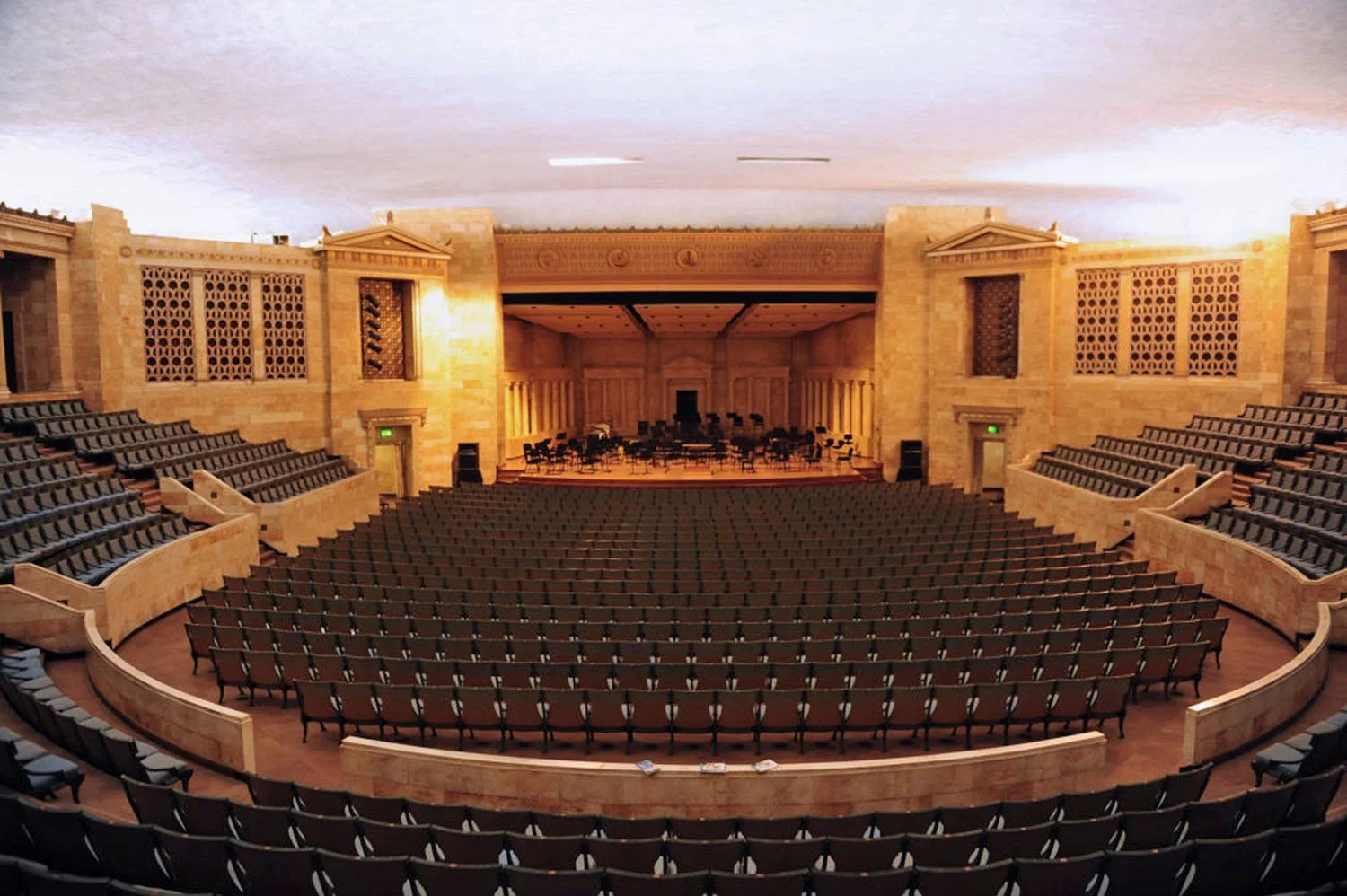
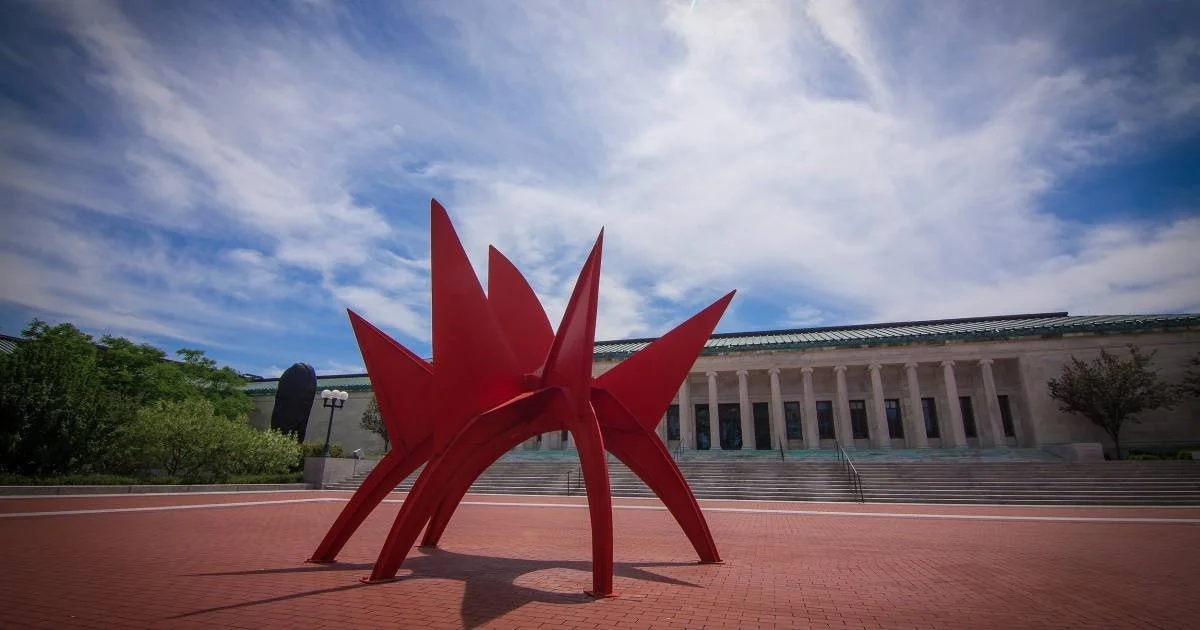
A rotating selection of Toledo Museum of Art images, including Frank Gehry’s Center for the Visual Arts, SANAA’s Glass Pavilion, interior gallery views, the historic Peristyle Theater, and the Green Building.
Photos: John T. Hrosko/CNT (first image); Toledo Museum of Art (remaining images).